
Trying to find the right foods for a keto diet can be a challenge. The keto diet is a high-fat, low-carb diet that has become increasingly popular in recent years. It works by encouraging the body to enter a state of ketosis, where it burns fat for energy instead of carbohydrates.
While there are many foods that are off-limits on a keto diet, there are also plenty of delicious options available. One such option is chia seeds.
- The Keto Diet: A Brief Overview
- Introducing Chia Seeds as a Potential Keto-Friendly Food
- What are chia seeds?
- Are Chia Seeds Keto-Friendly?
- Health Benefits of Chia Seeds on a Keto Diet
- How to incorporate chia seeds into a keto diet
- Potential drawbacks to consuming too many chia seeds on a keto diet
- Frequently Asked Questions
- Conclusion
The Keto Diet: A Brief Overview
The keto diet is all about limiting carbohydrate intake and increasing fat consumption. When you do this, your body enters into a state of ketosis where it begins to burn fat for fuel instead of carbohydrates. This leads to weight loss and other health benefits such as lowered blood sugar and improved brain function.
Introducing Chia Seeds as a Potential Keto-Friendly Food
Chia seeds may not be the first food that comes to mind when you think about the keto diet, but they are actually an excellent choice for anyone following this eating plan. These tiny seeds are packed with fiber, healthy fats, and protein – all things that make them an ideal food for anyone looking to stay in ketosis.
Plus, chia seeds are extremely versatile and can be used in all sorts of dishes from smoothies to salads. Let’s take a closer look at these amazing little seeds and see why they might be just what your keto meal plan needs!
What are chia seeds?
Chia seeds are small, black or white seeds that come from the plant Salvia hispanica, which is part of the mint family. The ancient Aztecs and Mayans used chia seeds as a source of energy and sustenance for centuries. Today, they are a popular superfood due to their high nutritional content.
A Basic Overview
Chia seeds may be small in size, but they pack quite the punch when it comes to nutritional value. A single ounce of chia seeds contains 11 grams of fiber, 4 grams of protein, and 9 grams of healthy fats. They are also rich in vitamins and minerals such as calcium, magnesium, phosphorus, and potassium.
One unique characteristic of chia seeds is their ability to absorb water and turn into a gel-like substance when soaked in liquid. This makes them a popular ingredient for recipes such as pudding or overnight oats.
Nutritional Content
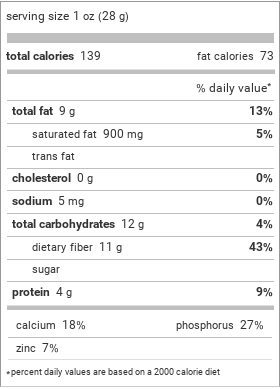
As previously mentioned, chia seeds have an impressive nutritional profile. In addition to their fiber, protein, and healthy fat content, they also contain antioxidants such as quercetin and kaempferol that may help protect against chronic diseases. Furthermore, the omega-3 fatty acids found in chia seeds are especially beneficial for heart health.
These essential fatty acids can help reduce inflammation in the body which has been linked to conditions such as heart disease. Overall, chia seeds are a versatile ingredient that can easily be incorporated into meals or snacks for an added boost of nutrients.
Are Chia Seeds Keto-Friendly?
When it comes to following a keto diet, one of the main things to consider is macronutrients. This means paying attention to the amount of carbohydrates, fat, and protein in the foods you consume. The goal is typically to keep carbs low and fat high in order to put your body into a state of ketosis, in which it burns fat for fuel instead of glucose.
So, where do chia seeds fit into this equation? Well, they are actually quite low in carbs and relatively high in fat.
In fact, 1 ounce (about 2 tablespoons) of chia seeds contains just 12 grams of carbohydrates (11 grams of which are fiber) and 9 grams of fat. They also provide a decent amount of protein – about 4 grams per ounce.
Why Some Foods are Considered Keto-Friendly
In general, foods that are considered keto-friendly tend to be low in digestible carbohydrates. This means that they contain very little sugar or starches that can be broken down into glucose and used as energy by the body. Instead, they rely on fats for energy.
When you restrict your carbohydrate intake in this way, your liver starts producing molecules called ketones from stored fats in your body. These ketones can then be used by your brain and other organs as an alternative source of fuel.
Analyzing the Macronutrient Breakdown of Chia Seeds
So let’s break down the macronutrient content of chia seeds a bit more:
- Carbohydrates: As mentioned earlier, chia seeds contain just 12 grams per ounce – with most of those coming from fiber.
- Fat: Chia seeds are relatively high in fat compared to many other plant-based foods.
One ounce contains about 9 grams.
- Protein: Chia seeds also provide a decent amount of protein, with 4 grams per ounce.
When considering the keto diet, it’s important to remember that each person’s macronutrient needs may vary based on their individual circumstances. However, it’s generally recommended to aim for around 70-75% of calories from fat, 20-25% from protein, and 5-10% from carbohydrates.
Do Chia Seeds Fit Within the Parameters of a Keto Diet?
Based on their macronutrient breakdown and low carb content, chia seeds can certainly fit within the parameters of a keto diet. They are low in net carbs (total carbs minus fiber) and provide healthy fats that can be used for energy. Plus, they offer other health benefits such as fiber and omega-3 fatty acids – which we’ll discuss more in later sections!
Health Benefits of Chia Seeds on a Keto Diet
The Fiber in Chia Seeds Can Aid Digestion and Promote Feelings of Fullness
Chia seeds are packed with fiber, making them great for digestive health. In fact, just one ounce of chia seeds contains a whopping 10 grams of fiber!
This means that incorporating chia seeds into your keto diet can help keep you regular and prevent constipation. Additionally, the high fiber content of chia seeds can also promote feelings of fullness and satiety, which may help you consume fewer calories overall.
Omega-3 Fatty Acids Found in Chia Seeds and Their Potential Anti-inflammatory Effects
Omega-3 fatty acids are essential fats that our bodies cannot produce on their own, meaning we need to obtain them from our diets. Luckily, chia seeds are an excellent source of this important nutrient.
In fact, just one ounce of chia seeds contains 5 grams of omega-3 fatty acids! These healthy fats have been shown to have anti-inflammatory effects in the body which may be beneficial for those with conditions such as arthritis or other inflammatory disorders.
Studies have also found that consuming foods rich in omega-3 fatty acids may be good for heart health by helping to lower cholesterol levels and reduce inflammation in the arteries. While there is still much research to be done in this area, incorporating chia seeds into your keto diet is an easy way to boost your intake of this important nutrient.
How to incorporate chia seeds into a keto diet
The versatility of chia seeds
One of the great things about chia seeds is their versatility in the kitchen. They can be used in a variety of ways, making them a great addition to any meal or snack. One popular option is to make chia pudding, which involves soaking the seeds in liquid (such as almond milk) until they plump up and form a gel-like consistency.
Flavorings such as vanilla extract or cocoa powder can be added for extra taste. Another easy way to incorporate chia seeds into your diet is by adding them to smoothies.
The seeds blend well with fruits and vegetables, adding a nutritional boost without changing the flavor too much. For those looking for a crunchy texture, sprinkling chia seeds on top of salads or roasted vegetables is also an option.
Tips for portion control
While chia seeds are certainly a nutritious food, it’s important not to go overboard when incorporating them into your keto diet. The recommended daily intake of chia seeds is about 1-2 tablespoons per day, which adds up to around 5-10 grams of carbs.
When making chia pudding or smoothies, measure out the serving size beforehand rather than eyeballing it – this will help ensure you’re not unknowingly consuming too many carbs. Sprinkling some chia seeds on top of your salad or roasted vegetables also provides a satisfying crunch without adding too many extra carbs.
Avoiding overconsumption
It’s worth noting that while the fiber in chia seeds can be beneficial for digestion and promoting feelings of fullness, consuming too many at once can have negative side effects such as bloating and stomach discomfort. It’s important to start with small amounts when incorporating them into your diet and gradually increase if desired.
Additionally, make sure to drink plenty of water when consuming chia seeds – they absorb liquid and can expand in your stomach, making it important to stay hydrated. As with any food, moderation is key when incorporating chia seeds into a keto diet.
Potential drawbacks to consuming too many chia seeds on a keto diet
While chia seeds can be a great addition to a keto diet, it’s important not to go overboard. One potential drawback of consuming too many chia seeds is that they are high in fiber.
While fiber is generally considered beneficial for digestion and overall health, consuming excessive amounts can cause digestive issues such as bloating and gas. Additionally, chia seeds are relatively high in calories, so eating too many can lead to weight gain if you’re not careful with portion control.
Don’t forget to check out “Why Seeds are Essential for a Successful Keto Diet” for other great seeds you can have on a Keto diet.
Frequently Asked Questions
Are chia seeds keto friendly?
Chia seeds are considered keto-friendly due to their low net carb content. They are primarily composed of fiber, which doesn’t significantly impact blood sugar or insulin levels. Chia seeds can be a beneficial addition to a keto diet.
Are chia seeds good for a keto diet?
Yes, chia seeds can be a valuable addition to a keto diet. They are rich in fiber, healthy fats, and protein, which can help promote satiety and support overall nutrition while following a keto eating plan.
Do chia seeds have carbs?
Yes, chia seeds contain carbohydrates, but the majority of their carb content comes from dietary fiber. A one-ounce (28 grams) serving of chia seeds typically contains around 12 grams of carbohydrates, with 10 grams of those being fiber.
How much chia seeds can you eat on keto?
The amount of chia seeds you can consume on a keto diet depends on your individual macronutrient goals. As a general guideline, one to two tablespoons (about 15-30 grams) of chia seeds per day should fit within most keto plans. However, it’s essential to consider the overall carbohydrate intake from other sources to stay within your daily limit.
Are chia seeds good for a low-carb diet?
Yes, chia seeds can be beneficial for a low-carb diet. Their high fiber content helps to slow down digestion and can assist in managing blood sugar levels. Including chia seeds in a low-carb diet can contribute to feelings of fullness and provide a variety of essential nutrients.
Conclusion
Chia seeds can be a great addition to a keto diet. They are high in fiber and protein, low in carbs, and contain healthy fats and other beneficial nutrients. However, it’s important not to rely solely on chia seeds for your nutritional needs or overconsume them.
As with any food on the keto diet (or any diet), moderation is key. So go ahead and sprinkle some chia seeds on your morning smoothie or yogurt bowl – just don’t forget to balance them out with other nutrient-dense foods as well!
 The Skinny on Keto