
Walnuts are a highly nutritious food that is often overlooked in our diets. These delicious, crunchy nuts are rich in healthy fats, fiber, vitamins, and minerals that can offer numerous health benefits. Among other things, they can help reduce inflammation, promote heart health, improve brain function, and support weight loss.
For those following a keto diet plan, walnuts can be an excellent snack option due to their low-carbohydrate content. They provide a good source of energy without spiking blood sugar levels or disrupting ketosis.
In this article, we will explore the nutritional benefits of walnuts in more detail and provide tips for incorporating them into your keto diet plan. We will also discuss creative ways to enjoy walnuts as a snack and share helpful advice on choosing high-quality nuts and storing them properly for maximum freshness.
- Nutritional Benefits of Walnuts
- Incorporating Walnuts into Your Keto Diet
- Creative Ways to Enjoy Walnuts
- Choosing the Best Walnuts for Your Snack
- Tips for Storing and Preserving Walnuts
- Conclusion
Nutritional Benefits of Walnuts
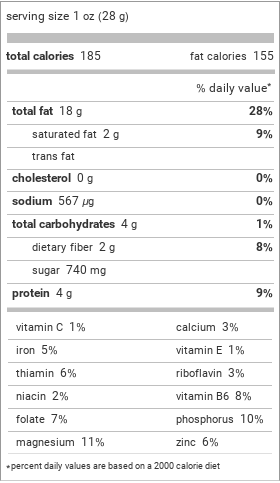
The nutritional benefits of consuming walnuts are noteworthy, as they contain a rich source of omega-3 fatty acids, fiber, and protein. Omega-3 fatty acids are essential fats that cannot be synthesized by the body and must be obtained from the diet. Walnuts are one of the few plant-based sources of this type of fat, making them an excellent option for vegans and vegetarians looking to increase their intake.
Additionally, incorporating walnuts into a weight loss plan may be beneficial due to their high fiber content which can help people feel fuller for longer periods. Aside from being a good source of healthy fats and fiber, walnuts also contain antioxidants such as vitamin E, melatonin, and polyphenols. These compounds have been shown to reduce oxidative stress in the body which can lead to chronic diseases like cancer and heart disease.
Moreover, studies have found that eating nuts regularly can lower levels of LDL cholesterol (the ‘bad’ cholesterol) while increasing levels of HDL cholesterol (the ‘good’ cholesterol). In summary, including walnuts in your diet is an easy way to boost your nutrient intake while also providing numerous health benefits.
Incorporating Walnuts into Your Keto Diet
Integrating walnuts into a ketogenic diet can provide numerous health benefits due to its high-fat and low-carbohydrate content, making it an excellent addition for those looking to maintain or achieve ketosis. Adding walnuts as a snack or incorporating them into meals can help increase the intake of healthy fats and essential nutrients.
Here are some cooking methods and pairing options to make the most out of this nutritious nut:
Cooking Methods:
- Roasting: Roasting walnuts brings out their natural sweetness and enhances their texture.
- Chopping: Chopped walnuts add crunch and nuttiness to salads, vegetables, or meat dishes.
Pairing Options:
- Cheese: Walnuts pair well with cheese as a keto-friendly snack or salad topping.
- Berries: The tartness of berries complements the mild flavor of walnuts in desserts or breakfast bowls.
Overall, incorporating walnuts into a ketogenic diet is an easy way to boost nutrient intake while keeping carb count low. Experimenting with different cooking methods and pairing options can add variety and excitement to your meals without compromising on taste or nutrition.
Creative Ways to Enjoy Walnuts
Exploring novel culinary applications for this nutrient-dense nut can unlock a world of possibilities and add a new dimension to one’s dietary repertoire.
Walnuts are versatile and can be used in both sweet and savory dishes, making them an excellent ingredient to incorporate into any keto diet.
One simple way to enjoy walnuts is by adding them as a topping to salads or roasted vegetables. The nutty flavor of walnuts pairs well with the earthy taste of roasted vegetables, creating a delicious and satisfying dish.
For those with a sweet tooth, walnuts make an excellent addition to baked goods such as low carb muffins or cookies. They can also be used as a base for homemade energy balls or bars, providing both nutrition and flavor in each bite.
Some creative recipes for enjoying walnuts include walnut pesto, walnut butter, or even walnut crusted chicken.
With so many options available, incorporating this delicious keto snack into your diet has never been easier!
Choosing the Best Walnuts for Your Snack
Selecting high-quality walnuts can enhance the nutritional value of your snack and elevate the overall taste experience. When choosing walnuts, it’s important to consider their flavor profiles and sourcing options.
Walnuts that come from California are known for their rich, buttery flavor, while those from Chile have a slightly milder taste. Additionally, some varieties of walnuts have a sweeter or more bitter taste than others.
When it comes to sourcing options, look for walnuts that are fresh and not rancid. Choose nuts that are uniform in size and color with no visible cracks or holes. It’s also best to purchase whole walnuts instead of pre-chopped ones since they may be less fresh and could potentially contain added oils or preservatives.
By selecting high-quality walnuts for your snack, you’ll not only enjoy a delicious treat but also reap the benefits of this nutrient-dense food.
Tips for Storing and Preserving Walnuts
Proper storage is crucial to maintain the freshness and prolong the shelf life of walnuts. Walnuts are prone to spoilage, especially when exposed to air, heat, and moisture. To avoid spoilage and extend their shelf life, it’s important to store walnuts in an airtight container in a cool, dry place such as the pantry or refrigerator.
When stored properly, walnuts can retain their freshness for up to six months at room temperature and up to one year in the refrigerator or freezer. It’s also essential to keep them away from strong-smelling foods such as onions or garlic since they can absorb odors easily.
By following these simple tips for storing and preserving walnuts, you can enjoy their delicious taste and numerous health benefits for longer periods of time.
Conclusion
Incorporating walnuts into a keto diet can provide numerous nutritional benefits, including healthy fats, fiber, and protein. These wonders of nature offer a delicious and satisfying snack option that can help curb hunger while maintaining ketosis.
From incorporating them into salads and trail mixes to grinding them up as a flour alternative in baking recipes, the possibilities for consuming walnuts are endless.
When selecting walnuts for your snack, opt for those with intact shells that have not been cracked or damaged. This ensures freshness and quality. To preserve their nutrient value, store walnuts in an airtight container in the refrigerator or freezer.
With these tips in mind, discovering the wonders of walnuts on a keto diet is not only easy but also deliciously fulfilling.
Walnuts are like little powerhouses packed with essential nutrients that can benefit overall health when consumed regularly. Incorporating these tasty treats into one’s daily routine offers an excellent source of energy while providing numerous health-promoting properties such as anti-inflammatory effects and improved cognitive function.
Just like how an orchestra piece cannot be complete without all its instruments playing together harmoniously, so too can one’s ketogenic diet thrive with the addition of this small yet mighty nut – the walnut!
 The Skinny on Keto