
Pecans have been a staple in the American diet for centuries, often used in pies, salads, and as a snack. However, with the rise of low-carb diets such as the ketogenic diet, pecans are becoming increasingly popular due to their nutritional profile and versatility in recipes.
Much like how pecans are known for their hard exterior shell protecting a delicious nut inside, the keto diet is all about breaking down and eliminating carbohydrates to reveal the body’s natural fat-burning capabilities. When combined, these two seemingly distinct entities form a match made in low-carb heaven.
In this article, we will explore the nutritional benefits of incorporating pecans into your keto diet, provide tips on how to do so effectively, showcase various keto-friendly pecan recipes, and discuss potential risks associated with consuming too many pecans on a keto diet.
- Nutritional Profile of Pecans
- Benefits of Eating Pecans on a Keto Diet
- Tips for Incorporating Pecans into Your Keto Diet
- Variations of Keto-Friendly Pecan Recipes
- Potential Risks of Eating Too Many Pecans on a Keto Diet
- Conclusion
Nutritional Profile of Pecans
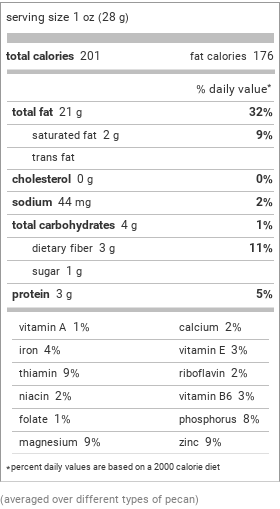
The nutritional profile of the pecan reveals that it’s a rich source of various essential nutrients, including minerals, vitamins, and fiber.
Pecans are particularly high in monounsaturated and polyunsaturated fats, which are known to be heart-healthy. They also contain significant amounts of protein and dietary fiber.
In terms of micronutrients, pecans are an excellent source of manganese, copper, and thiamine (vitamin B1). They also provide smaller amounts of other important minerals such as magnesium, potassium, zinc, and iron.
One ounce (28 grams) of pecans contains around 200 calories and only a small amount of carbohydrates (about 4 grams), making them a suitable food for those following low-carb diets such as keto. The high-fat content makes them quite satiating as well.
However, it’s important to keep portion sizes in mind since they can still contribute significantly to overall daily caloric intake if consumed excessively.
In summary, pecans offer a range of essential nutrients while being relatively low in carbs and high in healthy fats – making them an ideal snack or ingredient for those on a ketogenic diet.
Benefits of Eating Pecans on a Keto Diet
Consuming pecans as part of a low-carbohydrate diet can offer potential health advantages, including lowering the risk of heart disease and improving blood sugar control. Pecans are an excellent source of healthy fats, fiber, and protein, making them an ideal snack for those following a keto diet.
Here are some benefits that eating pecans can provide on a ketogenic diet:
- Rich in monounsaturated fats: Pecans contain high levels of monounsaturated fatty acids (MUFAs), which have been linked to reducing LDL cholesterol levels and improving heart health. MUFAs also help to stabilize blood sugar levels by slowing down the absorption of carbohydrates from food.
- High in fiber: Pecans are a good source of dietary fiber, which helps to regulate digestion and prevent constipation. Fiber also helps to lower cholesterol levels and reduce the risk of developing certain types of cancer.
Including pecans in your keto meal plan can be beneficial for overall health while keeping carbohydrate intake low. However, it is essential to pay attention to portion sizes as they are calorie-dense nuts. A handful or about 1 ounce (28 grams) per day is sufficient to reap the benefits without overloading on calories.
Tips for Incorporating Pecans into Your Keto Diet
Navigating the realm of dieting can often feel like a maze, but incorporating small changes such as adding nuts to your meal plan can be a step towards achieving overall health goals. Pecans, in particular, are a great addition to a keto diet due to their low-carb content and high-fat content.
To incorporate pecans into your keto diet, try using them as a topping for salads or roasted vegetables or as an ingredient in a homemade trail mix. Pecan butter is also a delicious alternative to traditional nut butters and can be used as a spread on low-carb bread or crackers.
When incorporating pecans into your keto diet, it is important to keep track of portion sizes and calorie intake. While pecans are nutritious, they are also high in calories and consuming too many could hinder weight loss progress. It is recommended to consume only 1-2 ounces of pecans per day on a keto diet.
Additionally, opting for raw or unsalted pecans is ideal as flavored varieties may contain added sugars or carbohydrates that could kick you out of ketosis. By following these tips and incorporating moderate portions of pecans into your meals and snacks, you can reap the benefits of this tasty nut while sticking to your low-carb lifestyle.
Variations of Keto-Friendly Pecan Recipes
Exploring the versatility of pecans in keto-friendly dishes can offer a range of new and exciting meal options for those following a low-carb lifestyle. Pecans are not only delicious but also packed with beneficial nutrients like healthy fats, fiber, protein, and antioxidants. When combined with other keto-friendly ingredients like almond flour, coconut oil, cream cheese, and sweeteners such as erythritol or stevia, pecans can create a variety of mouth-watering recipes that satisfy cravings while keeping carb intake low.
Some popular variations of keto-friendly pecan recipes include:
- Pecan pie cheesecake bars
- Maple glazed roasted pecans
- Cinnamon sugar candied pecans
- Chocolate chip pecan cookies
- Buttery garlic rosemary roasted pecans
These dishes are easy to make and perfect for snacking or dessert. Additionally, incorporating chopped or whole pecans into savory dishes like salads or roasted vegetables can add crunchiness and nuttiness to the dish while providing health benefits.
Overall, the possibilities of using pecans in keto cooking are endless and offer an enjoyable way to maintain a healthy lifestyle without sacrificing taste.
Potential Risks of Eating Too Many Pecans on a Keto Diet
The potential health risks associated with excessive pecan consumption within a keto diet should not be overlooked, as overconsumption of any food can lead to adverse effects on one’s health.
Pecans are high in calories and fat, which makes them an excellent choice for those on a low-carb diet like keto. However, consuming too many pecans can lead to weight gain, which is counterproductive for those trying to lose weight or maintain their current weight.
Additionally, consuming large amounts of pecans can cause gastrointestinal issues such as bloating, gas, and diarrhea. This is because pecans contain high levels of insoluble fiber that may be difficult for some people to digest properly.
It is essential to practice portion control when consuming nuts like pecans on a keto diet and balance it with other nutrient-dense foods such as vegetables and lean proteins to ensure overall good health.
Conclusion
In conclusion, it is clear that pecans and keto are a match made in low-carb heaven. The nutritional profile of pecans makes them an excellent addition to any keto diet, providing essential nutrients such as healthy fats, fiber, protein, vitamins, and minerals.
However, incorporating too many pecans into your diet may lead to potential risks such as weight gain and digestive issues. Ironically enough, the very thing that makes pecans so beneficial for a keto diet – their high-fat content – can also be their downfall if consumed in excess.
Despite the potential risks, there are numerous benefits of eating pecans on a keto diet. From reducing inflammation to improving heart health and brain function, the benefits of consuming these delicious nuts are undeniable.
With a little creativity and some basic knowledge about cooking with pecans, you can easily incorporate them into your daily meals while staying within your desired carb limit. So go ahead and enjoy some pecan-crusted salmon or sprinkle some chopped pecans over your salad – just remember to keep portion sizes in check!
 The Skinny on Keto