
The Keto Trend and Pili Nuts
Unraveling the Keto Diet Phenomenon
In recent years, the ketogenic diet, commonly known as the keto diet, has taken the health and wellness world by storm. This low-carb, high-fat diet has been lauded for its potential benefits, including weight loss, improved cognitive function, and even disease prevention. The diet’s primary aim is to induce a metabolic state known as ketosis, where the body burns fat for fuel instead of carbohydrates.
The Rise of Superfoods in Modern Diets
Parallel to the keto trend, the concept of superfoods has gained significant traction. These nutrient-dense foods are believed to confer a plethora of health benefits, from boosting immunity to combating chronic diseases. Superfoods range from fruits and vegetables to seeds and nuts, each with its unique nutritional profiles and health benefits.
Pili Nuts as a Keto Superfood
Among the myriad of superfoods, one that stands out, particularly for keto dieters, is the Pili nut. Native to Southeast Asia, these nuts are rich in healthy fats and low in carbohydrates, making them an ideal choice for those following a keto diet. This article aims to unveil the secret weapon of keto dieters: The Pili nut.
- Decoding the Keto Diet: A Quick Recap
- The Pili Nut: An Overview
- Understanding the Nutritional Profile of Pili Nuts
- Incorporating Pili Nuts into Your Keto Diet
- The Science Behind Pili Nuts and the Keto Diet
- Dispelling Myths: Addressing Common Pili Nut Misconceptions
- Pili Nuts Beyond the Keto Diet
- Storing and Consuming Pili Nuts
- Frequently Asked Questions
- Conclusion: Embracing Pili Nuts as Your Keto Secret Weapon
Decoding the Keto Diet: A Quick Recap
Defining the Keto Diet
The ketogenic diet is a dietary regimen characterized by a drastic reduction in carbohydrate intake and an increase in fat consumption. The goal is to shift the body’s primary energy source from glucose (derived from carbs) to ketones (produced from fat breakdown).
How Does the Keto Diet Work?
When carbohydrate intake is significantly reduced, the body enters a metabolic state known as ketosis. In this state, the liver converts fat into molecules called ketones, which serve as an alternative energy source for the body. This metabolic shift has been associated with several health benefits, including weight loss and improved brain function.
Common Misconceptions about the Keto Diet
Despite its popularity, the keto diet is often misunderstood. Some believe it involves consuming unlimited amounts of unhealthy fats, while others think it’s a high-protein diet. In reality, the keto diet emphasizes healthy fats and moderate protein intake, while minimizing carbs. It’s not about eating bacon and cheese all day, but rather about choosing nutrient-dense, high-fat foods.
The Pili Nut: An Overview
The Origin and Cultivation of Pili Nuts
Pili nuts are the fruit of the Pili tree (Canarium Ovatum), a tropical tree species native to the maritime Southeast Asia region, with a particular prevalence in the Philippines. The Pili tree thrives in volcanic soil, making the Bicol region in the Philippines an ideal location for its growth.
The cultivation of Pili nuts is a labor-intensive process that requires a significant amount of care and attention. The trees take approximately 5-6 years to start producing nuts and reach peak production only after 15-20 years. Each nut is encased in a hard shell, which is further enveloped by a thick husk.
Harvesting Pili nuts involves removing this husk and cracking the shell, a process typically done by hand due to the toughness of the shell. This laborious process, along with the rich flavor and superior nutritional profile of the nuts, contributes to their status as a premium nut.
Unique Characteristics of Pili Nuts
Pili nuts are renowned for their unique characteristics, which set them apart from other nuts. Their texture is exceptionally smooth and buttery, a quality that has led many to liken their taste to a fusion of macadamia nuts and pine nuts. This distinctive flavor profile makes Pili nuts a versatile ingredient in both sweet and savory dishes.
One of the defining features of Pili nuts is their complete protein status. They contain all nine essential amino acids, a rarity in the plant kingdom. Essential amino acids are those that the body cannot produce on its own and must obtain from dietary sources. Thus, Pili nuts serve as an excellent protein source, particularly for those following plant-based diets.
Comparing Pili Nuts with Other Popular Nuts
When juxtaposed with other popular nuts, Pili nuts hold their own due to their impressive nutritional profile. They are notably high in fat, primarily healthy monounsaturated fats, and low in carbohydrates, making them an ideal choice for low-carb and ketogenic diets.
In terms of micronutrients, Pili nuts are a significant source of magnesium, a mineral essential for numerous bodily functions, including nerve transmission, muscle contraction, and energy production. They also provide a substantial amount of vitamin E, a potent antioxidant that protects the body’s cells from damage.
Unlike many other nuts, Pili nuts boast a complete amino acid profile, making them an excellent source of protein. This, coupled with their high fat and low carbohydrate content, makes them a standout in the world of nuts. Whether you’re following a ketogenic diet, a plant-based diet, or simply seeking to add variety to your nut consumption, Pili nuts are a worthy contender.
Understanding the Nutritional Profile of Pili Nuts
A Deep Dive into Pili Nut Nutrients
Pili nuts are a veritable nutritional powerhouse, teeming with a wealth of nutrients that contribute to overall health and well-being. They are particularly rich in heart-healthy monounsaturated fats, which are known to support cardiovascular health by helping to lower levels of low-density lipoprotein (LDL), commonly referred to as ‘bad’ cholesterol.
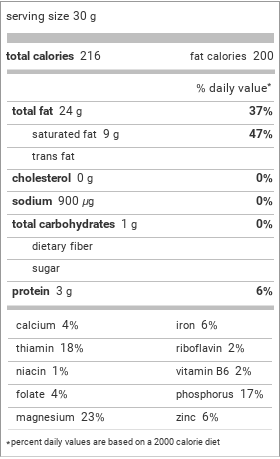
A 30-gram serving of Pili nuts provides approximately 216 calories, the majority of which come from its 24 grams of fat. This fat content constitutes 37% of the recommended daily value, making Pili nuts a high-energy food source. The same serving size also contains 3 grams of protein, contributing to 6% of the daily value, and a minimal 1 gram of carbohydrates, making them an excellent choice for low-carb diets.
In terms of micronutrients, Pili nuts are a good source of several essential minerals. They provide 23% of the daily value for magnesium, a mineral that plays a crucial role in over 300 enzymatic reactions within the body, including protein synthesis, muscle and nerve function, and blood glucose control. They also offer 17% of the daily value for phosphorus, a mineral that contributes to bone health, and 6% for iron, which is vital for oxygen transport in the body.
Additionally, Pili nuts offer a range of B vitamins, including 18% of the daily value for thiamin (vitamin B1), which aids in energy production and nerve function, and 2% for both riboflavin (vitamin B2) and vitamin B6, which support cellular function and the formation of red blood cells.
Key Health Benefits of Pili Nuts
The high monounsaturated fat content in Pili nuts not only contributes to heart health but also supports overall health in several ways. Monounsaturated fats are known to reduce inflammation, improve insulin sensitivity, and support brain health.
The presence of all essential amino acids in Pili nuts makes them a complete protein source, supporting muscle development, tissue repair, and overall growth and development.
The rich mineral content of Pili nuts, including magnesium, phosphorus, and iron, aids in a variety of bodily functions, from bone health and nerve function to energy production and oxygen transport.
Unveiling the Secret: Why are Pili Nuts Keto-Friendly?
The secret to Pili nuts’ keto-friendliness lies in their macronutrient profile. Their high fat, moderate protein, and low carbohydrate content align perfectly with the nutritional requirements of the keto diet. The high-quality fats in Pili nuts help to keep the body in ketosis, a metabolic state where the body burns fat for energy instead of carbohydrates. Meanwhile, their low-carb content prevents any unwanted spikes in blood sugar, helping to maintain stable energy levels and curb cravings.
Incorporating Pili Nuts into Your Keto Diet
Sourcing Quality Pili Nuts
When it comes to sourcing Pili nuts, quality is paramount. As with any food product, the nutritional value and overall quality can be significantly influenced by the conditions under which it was grown and processed. Therefore, it’s essential to look for Pili nuts that are raw, unprocessed, and free from any additives. This ensures that you’re getting the most nutritional bang for your buck, without any unwanted substances.
Organic and sustainably sourced Pili nuts are also preferable. Organic certification indicates that the nuts have been grown without the use of synthetic pesticides and fertilizers, which can have harmful effects on both human health and the environment. Similarly, sustainably sourced Pili nuts are harvested in a way that supports the long-term health and productivity of the ecosystems from which they come.
Simple and Delicious Ways to Eat Pili Nuts on a Keto Diet
Pili nuts are incredibly versatile and can be enjoyed in a variety of ways on a keto diet. Here are a few suggestions:
- Straight from the Bag: Due to their rich, buttery flavor, Pili nuts can be enjoyed straight from the bag as a satiating snack.
- In Salads: Add a handful of Pili nuts to your favorite salad for a satisfying crunch and a boost of healthy fats.
- In Stir-fries: Toss Pili nuts into a stir-fry for an interesting texture contrast and a dose of complete protein.
- As a Flour Substitute: Try grinding Pili nuts into a flour for low-carb baking. This can be used in a variety of recipes, from bread to cookies.
- As a Nut Butter: Blend Pili nuts into a creamy nut butter for a keto-friendly spread. This can be enjoyed on low-carb bread or used as a dip for veggies.
The Science Behind Pili Nuts and the Keto Diet
Exploring the Relationship between Pili Nuts and Ketosis
The ketogenic diet, characterized by high fat, moderate protein, and low carbohydrate intake, aims to shift the body’s primary energy source from glucose to ketones, a type of fuel produced by the liver from stored fat. This metabolic state, known as ketosis, is at the heart of the ketogenic diet’s potential benefits, which range from weight loss to improved cognitive function and beyond.
Pili nuts, with their high fat and low carbohydrate content, align perfectly with the macronutrient requirements of the ketogenic diet. Consuming Pili nuts can help maintain a state of ketosis by providing the body with a steady supply of fats for ketone production while keeping carbohydrate intake low to prevent a shift back to glucose metabolism. This makes Pili nuts an excellent food choice for those following a ketogenic diet.
Scientific Studies Supporting the Benefits of Pili Nuts for Keto Dieters
While specific studies on Pili nuts and the ketogenic diet are currently limited, existing research on high-fat, low-carb diets provides valuable insights into the potential benefits of incorporating Pili nuts into a ketogenic lifestyle.
A study published in the American Journal of Clinical Nutrition found that a high-protein, ketogenic diet led to significant weight loss in obese men, suggesting that such a diet could be an effective strategy for weight management1. Given their high fat and protein content, Pili nuts could potentially enhance the weight loss benefits of a ketogenic diet.
Another study published in the journal Endocrine found that a very low-calorie ketogenic diet resulted in a reduction in visceral fat and improved health outcomes after two years2. This suggests that a ketogenic diet, potentially supplemented with Pili nuts, could have long-term health benefits.
However, it’s important to note that individual responses to diet can vary widely, and what works for one person may not work for another. Therefore, while Pili nuts can be a valuable addition to a ketogenic diet, they should be incorporated as part of a balanced, nutrient-rich diet that aligns with individual health needs and goals.
- Johnstone AM, Horgan GW, Murison SD, Bremner DM, Lobley GE. Effects of a high-protein ketogenic diet on hunger, appetite, and weight loss in obese men feeding ad libitum. Am J Clin Nutr. 2008;87(1):44–55. [PubMed] ↩
- Moreno B, Crujeiras AB, Bellido D, Sajoux I, Casanueva FF. Obesity treatment by very low-calorie-ketogenic diet at two years: reduction in visceral fat and on the burden of disease. Endocrine. 2016;54(3):681–90. [PubMed] ↩
Dispelling Myths: Addressing Common Pili Nut Misconceptions
Debunking Pili Nut Myths: Fact vs. Fiction
Pili nuts, like many other superfoods, are often surrounded by misconceptions and myths. Let’s debunk some of the most common ones:
Myth 1: Pili Nuts are Unhealthy Due to Their High Fat Content
Fact: While it’s true that Pili nuts are high in fats, it’s crucial to understand that these are predominantly monounsaturated fats, which are beneficial for heart health.
Monounsaturated fats can help lower bad cholesterol levels, reducing the risk of heart disease and stroke1. Therefore, the high-fat content of Pili nuts should not be a deterrent but rather a reason to include them in a balanced diet.
Myth 2: Pili Nuts are High in Carbohydrates
Fact: Contrary to this belief, Pili nuts have one of the lowest carbohydrate counts among nuts. This makes them an excellent choice for low-carb diets, such as the ketogenic diet.
Understanding Potential Allergies and Side Effects of Pili Nuts
Like any food, Pili nuts can cause allergic reactions in some individuals. Symptoms can range from mild, such as itching and hives, to severe, such as anaphylaxis. It’s important to note that food allergies are highly individual, and what causes an allergic reaction in one person may not cause the same reaction in another.
Moreover, overconsumption of Pili nuts could potentially lead to gastrointestinal discomfort due to their high fiber content. As with any food, moderation is key.
If you suspect a Pili nut allergy, it’s important to seek medical advice before including them in your diet. Always start with small quantities when introducing a new food into your diet, and observe your body’s reactions.
Pili Nuts Beyond the Keto Diet
Benefits of Pili Nuts for Non-Keto Dieters
While Pili nuts have gained popularity as a keto superfood, their nutritional benefits extend far beyond the realm of ketogenic diets. These nutrient-dense nuts can be a valuable addition to a variety of dietary patterns, offering a host of health benefits.
Pili nuts are rich in monounsaturated fats, a type of heart-healthy fat that can help lower bad cholesterol levels and reduce the risk of heart disease. This makes them a great choice for anyone looking to support cardiovascular health through their diet.
In addition to their heart health benefits, Pili nuts are also a complete protein, meaning they contain all the essential amino acids your body needs to function optimally. This makes them a particularly valuable addition to vegetarian and vegan diets, which can sometimes lack sufficient protein.
Moreover, Pili nuts are packed with essential vitamins and minerals, including magnesium, vitamin E, and B vitamins, further enhancing their nutritional profile and making them a beneficial addition to any diet.
Using Pili Nuts in Vegan, Paleo, and Other Diet Plans
Pili nuts are incredibly versatile and can be incorporated into a wide range of diet plans. Here’s how they can fit into some popular dietary patterns:
Vegan and Vegetarian Diets: Pili nuts’ complete protein profile makes them a great addition to vegan and vegetarian diets. They can be used in a variety of dishes, from salads and stir-fries to vegan desserts.
Paleo Diet: The paleo diet emphasizes natural, minimally processed foods, and Pili nuts fit the bill perfectly. They can be enjoyed as a snack, used in baking, or added to paleo-friendly dishes for a boost of healthy fats and protein.
Mediterranean Diet: The Mediterranean diet is renowned for its heart health benefits, largely due to its emphasis on monounsaturated fats. Given that Pili nuts are rich in these healthy fats, they can be a great addition to a Mediterranean diet.
General Healthy Eating: Even if you’re not following a specific diet plan, Pili nuts can still be a valuable addition to a balanced, nutrient-rich diet. Their combination of healthy fats, complete protein, and essential vitamins and minerals can support overall health and well-being.
In conclusion, while Pili nuts are a fantastic choice for keto dieters, their benefits certainly don’t stop there. Regardless of the dietary pattern you follow, incorporating Pili nuts into your diet can be a delicious way to boost your nutrient intake and support your health.
Storing and Consuming Pili Nuts
Proper Storage Practices for Pili Nuts
Proper storage of Pili nuts is crucial to maintain their freshness, flavor, and nutritional quality. These nuts should ideally be stored in an airtight container to protect them from exposure to air and moisture, which can accelerate spoilage. The container should be kept in a cool, dry place, away from direct sunlight, as heat and light can cause the fats in the nuts to oxidize, leading to rancidity.
If you live in a warm climate or plan to store the nuts for a prolonged period, refrigeration is a good option. When stored in the refrigerator, Pili nuts can maintain their quality for up to a year. For even longer storage, Pili nuts can be frozen, where they can last for up to two years without losing their flavor or nutritional value.
Identifying Fresh vs. Stale Pili Nuts
Identifying the difference between fresh and stale Pili nuts is key to ensuring you’re enjoying these nuts at their best. Fresh Pili nuts have a rich, buttery flavor, reminiscent of a blend between macadamia nuts and pine nuts. Their texture is firm yet tender, providing a satisfying crunch when eaten.
On the other hand, stale Pili nuts may exhibit several telltale signs of spoilage. They may have a rancid or off smell, indicating that the fats in the nuts have oxidized. The flavor may also be affected, with stale Pili nuts often having a bitter or sour taste that is markedly different from their usual rich, buttery flavor.
The texture of stale Pili nuts may also change, becoming either overly hard or, conversely, too soft and lacking in crunch. If your Pili nuts exhibit any of these signs of spoilage, it’s best to discard them to avoid any potential foodborne illness.
Frequently Asked Questions
What are Pili Nuts?
Pili nuts are the edible seeds of the Pili tree (Canarium Ovatum), native to maritime Southeast Asia, particularly the Philippines. They are known for their rich, buttery flavor and high nutritional value.
Why are Pili Nuts good for the Keto Diet?
Pili nuts are high in fat, moderate in protein, and low in carbohydrates, making them an ideal food choice for the ketogenic diet. Their high-quality fats help to keep the body in ketosis, while their low carb content prevents any unwanted spikes in blood sugar.
How do I incorporate Pili Nuts into my diet?
Pili nuts can be enjoyed straight from the bag as a snack, or incorporated into a variety of dishes. They can be added to salads, stir-fries, or ground into a flour for low-carb baking. They can also be blended into a creamy nut butter for a keto-friendly spread.
How should I store Pili Nuts?
To maintain their freshness and quality, Pili nuts should be stored in an airtight container in a cool, dry place. If you live in a warm climate or plan to store them for a prolonged period, consider refrigerating them.
Can Pili Nuts cause allergies?
Like any food, Pili nuts can cause allergic reactions in some individuals. Symptoms can range from mild, such as itching and hives, to severe, such as anaphylaxis. If you suspect a Pili nut allergy, it’s important to seek medical advice before including them in your diet.
Are Pili Nuts suitable for other diets besides Keto?
Yes, Pili nuts can be incorporated into a variety of diet plans, including vegan, paleo, and Mediterranean diets. Their high protein content makes them a great addition to vegan and vegetarian diets, while their natural, minimally processed nature fits well with the principles of the paleo diet. Their high monounsaturated fat content aligns with the heart-healthy focus of the Mediterranean diet.
Conclusion: Embracing Pili Nuts as Your Keto Secret Weapon
As we delve into the world of ketogenic diets, it becomes clear that success lies not just in understanding the basic principles of the diet, but also in identifying the right foods that can help optimize its benefits. Pili nuts, with their unique nutritional profile, emerge as a potent ally in this journey.
The Key Takeaways: Pili Nuts and the Keto Diet
Pili nuts align perfectly with the nutritional requirements of the keto diet. Their high fat, low carbohydrate, and moderate protein content make them an ideal food choice for those seeking to achieve and maintain a state of ketosis. But the benefits of Pili nuts extend beyond their macronutrient profile:
- Rich in Monounsaturated Fats: Pili nuts are a great source of heart-healthy monounsaturated fats, which can help lower bad cholesterol levels.
- Complete Protein: They are one of the few nuts that contain all the essential amino acids, making them a complete protein.
- Low in Carbohydrates: With one of the lowest carbohydrate counts among nuts, Pili nuts are an excellent choice for low-carb diets.
- Versatile and Delicious: Their rich, buttery flavor and versatile nature make them a delicious addition to a variety of dishes.
Looking Ahead: The Future of Pili Nuts in the World of Keto
As the popularity of the keto diet continues to surge, the role of Pili nuts is likely to grow. Their potential as a keto superfood is just beginning to be recognized, and ongoing research may uncover even more benefits.
For those embarking on a keto journey, Pili nuts could well be the secret weapon you’ve been looking for. They offer a unique combination of taste, nutrition, and versatility that can help make your keto journey not just successful, but also enjoyable.
In summary, whether you’re a seasoned keto dieter or just starting out, embracing Pili nuts can be a game-changer. They’re not just a nut; they’re a nutritional powerhouse that can help you unlock the full potential of your keto diet.
 The Skinny on Keto