
Almonds are often touted as a nutrient-dense superfood and have been a popular snack for centuries. They are high in healthy fats, protein, fiber, vitamins, and minerals that provide numerous health benefits.
In recent years, almonds have gained popularity among the ketogenic diet community due to their low carbohydrate content. The ketogenic or keto diet is a high-fat, moderate-protein, and low-carbohydrate diet that aims to help individuals lose weight by inducing ketosis.
Ketosis is a metabolic state where the body uses stored fat as its primary source of energy instead of glucose from carbohydrates. Almonds are an excellent choice for those following the keto diet because they are rich in healthy monounsaturated and polyunsaturated fats while being low in carbohydrates.
This article will explore the benefits of almonds for weight loss on the keto diet and how to incorporate them into your meal plan.
- Almonds: A Nutrient-Dense Superfood
- The Benefits of Almonds for the Keto Diet
- Nutritional Benefits of Almonds
- Almonds for Sustained Energy and Appetite Control
- How to Incorporate Almonds into Your Keto Meal Plan
- Almond Recipes for Delicious and Nutritious Snacks
- Conclusion
Almonds: A Nutrient-Dense Superfood
This section highlights the nutrient-dense properties of a particular superfood – almonds. They are packed with essential nutrients such as fiber, protein, healthy fats, vitamins, and minerals. Almonds contain a high amount of monounsaturated and polyunsaturated fats that can help reduce cholesterol levels and promote heart health. Additionally, they are low in carbohydrates which makes them an excellent food choice for those on a keto diet.
Almonds have become increasingly popular over the years due to their versatility in cooking and baking. Almond milk alternatives have become a favorite among vegans and lactose intolerant individuals while almond butter recipes have gained popularity as a healthier alternative to peanut butter.
Overall, almonds are an incredibly nutritious superfood that can be incorporated into various meals or consumed as a snack on their own.
The Benefits of Almonds for the Keto Diet
The consumption of nuts, particularly those with a high fat content and low carbohydrate count, may offer several benefits for individuals following the ketogenic diet. Almonds are one such nut that can provide significant advantages to keto dieters.
One major benefit is their ability to regulate blood sugar levels. Almonds contain fiber and protein, which slows down the absorption of carbohydrates into the bloodstream and prevents spikes in blood sugar levels. This makes them an excellent snack choice for individuals trying to maintain ketosis while keeping their blood sugar stable.
In addition to regulating blood sugar levels, almonds also have positive effects on brain health. They are rich in vitamin E, an antioxidant that has been shown to protect against cognitive decline and improve memory function. Furthermore, almonds contain magnesium, which plays a crucial role in brain function and has been linked to a lower risk of developing neurological disorders such as Alzheimer’s disease.
Thus, including almonds in the daily diet can not only aid weight loss but also enhance overall brain health for individuals following the ketogenic diet.
Nutritional Benefits of Almonds
Almonds, with their crunchy texture and delicate flavor, not only make for a delectable snack but also offer a plethora of nutritional benefits. These tiny powerhouses are packed with essential nutrients, making them an excellent addition to a balanced diet. Let’s delve into the nutritional information for almonds to uncover their impressive profile.
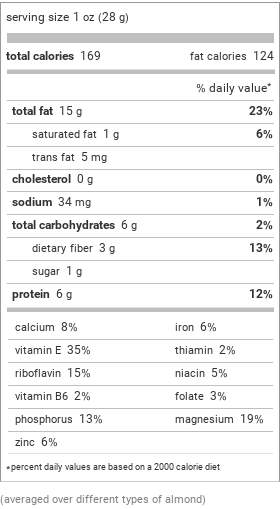
Calories and Macronutrients: A 1-ounce (28g) serving of almonds contains approximately 169 calories. While almonds are relatively high in calories, they also provide a balanced combination of macronutrients. Each serving typically contains 15 grams of fat, including heart-healthy monounsaturated fats, 6 grams of carbohydrates, and 6 grams of plant-based protein.
Fiber and Micronutrients: Almonds are an abundant source of dietary fiber, with around 3 grams per serving. Fiber promotes digestive health, helps regulate blood sugar levels, and supports weight management. Moreover, almonds are rich in several essential micronutrients such as vitamin E, magnesium, phosphorus, and potassium. These micronutrients contribute to overall well-being and play vital roles in various bodily functions.
Antioxidants and Phytochemicals: Almonds are packed with antioxidants, including vitamin E, which helps protect cells from oxidative damage. Additionally, these mighty nuts contain phytochemicals like flavonoids and polyphenols, known for their potential health benefits, including reducing inflammation and combating oxidative stress.
Incorporating a handful of almonds into your daily diet can provide a host of nutritional advantages. Remember, moderation is key, as almonds are calorie-dense. So, snack on this nutrient-rich superfood and savor both its taste and its numerous health benefits.
Almonds for Sustained Energy and Appetite Control
Consuming nuts that are low in carbohydrates and high in fat, such as almonds, can provide sustained energy and promote appetite control for individuals following a ketogenic diet. The high-fat content of almonds ensures that they are digested slowly, providing a steady stream of energy over an extended period. This quality makes them an ideal snack option for those following a keto diet who need to maintain consistent energy levels throughout the day.
Almonds also contain fiber and protein, which are essential components for promoting satiety and reducing hunger pangs. Research has shown that consuming almonds can help control appetite by making individuals feel fuller for longer periods.
In addition to this, the combination of healthy fats, fiber, and protein in almonds can help regulate blood sugar levels and prevent spikes in insulin production that often lead to crashes in energy levels.
Overall, incorporating almonds into a ketogenic diet plan can be beneficial for individuals looking to achieve sustained energy levels while controlling their appetite throughout the day.
How to Incorporate Almonds into Your Keto Meal Plan
Incorporating low-carbohydrate, high-fat nuts into a ketogenic meal plan can be a challenging task, but with careful planning and creativity, adding almonds as a nutrient-dense snack or ingredient in dishes can provide sustained energy and promote appetite control for individuals following this dietary approach.
Here are three ways to incorporate almonds into your keto meal plan:
- Use almond milk alternatives: Almond milk is a popular dairy-free alternative that can be used in place of regular milk for baking or making smoothies. However, many store-bought almond milks contain added sugars or thickeners that may not be keto-friendly. To avoid this, try making your own almond milk at home by blending soaked almonds with water and straining out the pulp.
- Try almond flour recipes: Almond flour is made from ground almonds and can be used as a low-carb substitute for traditional wheat flour in many recipes such as pancakes, muffins, and bread. It provides a nutty flavor and moist texture to baked goods while also being rich in healthy fats.
- Snack on roasted almonds: Roasted almonds make for an easy and convenient snack that can be enjoyed on-the-go or during cravings between meals. They are packed with nutrients such as protein, fiber, vitamin E, magnesium, and healthy fats that can help keep you feeling full and satisfied until your next meal. Just make sure to portion them out to fit within your daily macro goals on the ketogenic diet.
Overall, incorporating almonds into your keto meal plan doesn’t have to be complicated or boring. With these simple tips and tricks, you can enjoy the health benefits of this ultimate keto nut while still staying true to your dietary goals.
Almond Recipes for Delicious and Nutritious Snacks
This section offers a variety of almond-based recipes for those seeking nutritious and satisfying snack options, but how can these recipes be adapted to fit within the constraints of a low-carbohydrate, high-fat diet? The answer lies in utilizing almond butter variations and almond flour baked goods. Almond butter is a great source of healthy fats and protein, making it an ideal ingredient for those following a keto diet. It can be used as a dip for vegetables or spread on low-carb crackers or bread alternatives. Some delicious variations include adding cocoa powder for chocolate almond butter or mixing in cinnamon and honey for a sweet treat.
Almond flour is another versatile ingredient that can be used to make delicious snacks while also keeping carb intake low. It can be used as a substitute for traditional wheat flour in baked goods such as muffins, cookies, and even pizza crusts. Almond flour is higher in fat than regular flour, making it an excellent option for those following the keto diet. These tasty snacks provide not only satiety but also essential nutrients such as vitamin E, magnesium, and fiber. In the table below are some examples of easy-to-make snacks that utilize almonds in different forms to satisfy cravings while staying true to your keto goals.
| Snack | Ingredients | Net Carbs |
|---|---|---|
| Chocolate Almond Butter Dip | Almond Butter + Cocoa Powder + Stevia | 2g per serving |
| Almond Flour Blueberry Muffins | Almond Flour + Eggs + Blueberries + Vanilla Extract | 3g per muffin |
| Cinnamon Roasted Almonds | Whole Raw Almonds + Coconut Oil + Cinnamon + Salt | 1g per serving |
| Keto Pizza Bites with Almond Flour Crust | Mozzarella Cheese + Tomato Sauce + Italian Seasoning + Pepperoni (optional) +Almond Flour Crust | 3g per serving |
By incorporating almond butter variations and almond flour baked goods into your keto diet, you can enjoy delicious and nutritious snacks that will keep you full and energized throughout the day. These recipes are easy to make and use simple ingredients, making them perfect for those who want to add variety to their low-carb meal plan while also satisfying their sweet tooth.
Conclusion
Almonds are a nutrient-dense superfood that can provide numerous benefits for those following the keto diet. With their high fiber, protein, and healthy fat content, almonds can help with weight loss by providing sustained energy and controlling appetite. Additionally, almonds contain vitamin E, magnesium, and other essential nutrients that support overall health.
Incorporating almonds into a keto meal plan is easy and delicious. They can be eaten as a snack on their own or added to recipes for an extra crunch. Almond butter or almond flour can also be used in baking to create nutritious treats.
Overall, adding almonds to your keto diet can provide both nutritional benefits and aid in weight loss efforts. So next time you’re looking for a satisfying snack or ingredient for your keto meal plan, reach for some crunchy almonds and enjoy the many benefits they have to offer.
 The Skinny on Keto