
The Ketogenic diet is a popular low-carbohydrate, high-fat diet that aims to promote weight loss and improve overall health. The diet involves reducing carbohydrate intake to less than 50 grams per day, forcing the body to burn fat for energy instead of glucose. While many people have successfully used the ketogenic diet to achieve their health goals, it can be challenging to stick to this strict dietary regimen due to the limited food options available.
One food item that may pose a challenge for those following a ketogenic diet is chestnuts. Chestnuts are known for their sweet and nutty flavor and are often used in holiday dishes such as stuffing or roasted as a snack. However, despite their popularity, they are not keto-friendly due to their high carbohydrate content.
This article will explore the nutritional breakdown of chestnuts and explain why they don’t mix well with ketogenic diets while also providing alternative low-carb nutritional snacks for those following this dietary regimen.
- Understanding the Ketogenic Diet
- The Role of Carbohydrates in Ketosis
- Chestnuts: A Nutritional Breakdown
- Chestnuts and Ketogenic Diets: Why They Don’t Mix
- Alternatives for Low-Carb Nutritional Snacks
- Conclusion
Understanding the Ketogenic Diet
The ketogenic diet, also known as the keto diet, is a popular dietary regimen that has gained significant attention in recent years. It involves consuming high amounts of fat and low amounts of carbohydrates to induce a state of ketosis, where the body switches from using glucose for energy to breaking down fats into ketones for fuel.
One of the main benefits associated with this diet is its ability to promote weight loss by reducing appetite and increasing fat burning. Despite its many benefits, there are several common misconceptions surrounding the ketogenic diet.
Some people believe that it is a high-protein diet, but in reality, protein intake should be moderate to prevent excessive gluconeogenesis (the process by which the liver converts protein into glucose). Additionally, some individuals may mistakenly think that they can eat unlimited amounts of fat while on this diet; however, overconsumption can lead to weight gain and other health complications.
Overall, understanding these key principles is crucial for anyone considering embarking on a ketogenic journey.
The Role of Carbohydrates in Ketosis
Understanding the role of carbohydrates in ketosis is essential for those following a ketogenic diet. Carbohydrates are one of the three macronutrients alongside protein and fat. When ingested, carbohydrates are broken down into glucose which is used by cells to produce energy. However, in a ketogenic diet, the body is forced to use fats as its primary source of energy rather than glucose. Thus, carbohydrate intake must be significantly reduced to achieve ketosis.
Carbohydrate sources that should be avoided when following a ketogenic diet include grains such as wheat and corn, starchy vegetables like potatoes and sweet potatoes, and sugary fruits like bananas and grapes. Instead, individuals on a keto diet should consume low-carb vegetables such as leafy greens, broccoli, cauliflower, zucchini and avocados.
It is also important to note that some foods that may appear keto-friendly can still contain hidden carbohydrates such as chestnuts which have approximately 27 grams of net carbs per 100 grams making them not so keto-friendly. Therefore, it is crucial to read labels carefully when selecting foods while on this dietary restriction.
Chestnuts: A Nutritional Breakdown
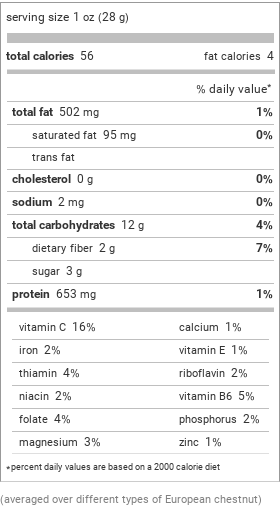
A comprehensive nutritional breakdown of chestnuts reveals their high carbohydrate content, making them a questionable choice for those following a ketogenic diet.
While chestnuts are often referred to as nuts, they are actually a type of fruit with a starchy composition.
One ounce (28 grams) of chestnuts contains 12 grams of carbohydrates, with only 2 grams coming from fiber. This amount is significantly higher than other nuts commonly eaten on the keto diet such as almonds or macadamia nuts.
Despite their high carbohydrate content, chestnuts have been used in traditional cuisine for centuries and feature in various recipes around the world. In Italy, for example, roasted chestnuts are commonly enjoyed during the autumn season while in Asian countries like China and Japan, chestnut-based ingredients are often found in both sweet and savory dishes.
While it may not be suitable for those strictly adhering to the keto diet, incorporating small amounts of this versatile ingredient into one’s diet can add a unique flavor profile and nutritional variety.
Chestnuts and Ketogenic Diets: Why They Don’t Mix
The high carbohydrate content in chestnuts makes them an incompatible choice for individuals following a ketogenic diet, thus posing a challenge to the dietary restrictions of those seeking to maintain a state of ketosis, which is essential for weight loss and regulation of blood sugar levels.
Chestnuts contain approximately 27 grams of carbohydrates per 100 grams, which is higher than other nuts such as almonds or macadamias. This high carbohydrate content can quickly add up and exceed the recommended daily allowance for individuals on a ketogenic diet.
Chestnut preparation and recipes may further exacerbate their incompatibility with ketogenic diets. Roasting or boiling chestnuts can increase their glycemic index, causing blood sugar levels to rise rapidly. Additionally, many traditional chestnut recipes include added sugars or flours that are also high in carbohydrates, making them unsuitable for individuals following a ketogenic diet.
While chestnuts do offer various health benefits such as being low in fat and rich in fiber and vitamin C, they are not conducive to maintaining ketosis and should be avoided by those adhering to this dietary lifestyle.
Alternatives for Low-Carb Nutritional Snacks
Exploring alternative low-carb nutritional snacks can provide individuals following a ketogenic lifestyle with a plethora of options to satiate their hunger and crispy cravings without compromising their dietary goals.
One popular snack swap for chestnuts is roasted almonds, which are an excellent source of healthy fats and protein.
For a crunchy and savory option, pork rinds make for an ideal substitute to potato chips or other carb-heavy snacks. Additionally, cheese crisps made from cheddar or parmesan cheese can satisfy both salty and cheesy cravings while containing minimal carbohydrates.
For those with a sweet tooth, keto-friendly alternatives such as dark chocolate covered almonds or coconut chips can be delicious treats that won’t derail progress toward ketosis.
Another option is a homemade trail mix made with nuts like macadamia nuts, pecans, and walnuts combined with sugar-free dried fruits like raspberries or blueberries.
Exploring different snack options can not only help maintain dietary goals but also provide variety in one’s eating habits and prevent boredom in the diet.
Conclusion
The ketogenic diet is a high-fat, low-carbohydrate diet that has gained popularity in recent years for its potential benefits in weight loss and improved metabolic health. However, adhering to this strict dietary regimen can be challenging, especially when it comes to snack options.
Chestnuts, although considered a healthy food due to their high fiber and nutrient content, are not suitable for individuals following a ketogenic diet due to their high carbohydrate content. One cup of chestnuts contains approximately 37 grams of carbohydrates, which exceeds the recommended daily intake for an individual following a ketogenic diet. While chestnuts may provide other essential nutrients such as vitamin C and potassium, they are not keto-friendly and should be avoided by those who wish to maintain ketosis.
Fortunately, there are plenty of low-carb alternatives available that can satisfy hunger cravings while still allowing individuals to remain within their daily carb limits. Nuts such as almonds, macadamia nuts, and pecans are excellent choices for keto-friendly snacking due to their high fat content and low carbohydrate count. Additionally, incorporating non-starchy vegetables such as celery or cucumber with dips like guacamole or hummus can also provide a tasty and nutritious snack option that supports ketosis.
In conclusion, while chestnuts may offer numerous health benefits outside of the context of a ketogenic diet, they should be avoided by individuals who wish to maintain ketosis due to their high carbohydrate content. Instead, opting for low-carb snack alternatives such as nuts or non-starchy vegetables can help satisfy hunger cravings without compromising one’s dietary goals. By making informed decisions about food choices on a ketogenic diet plan, individuals can achieve their desired outcomes while still enjoying delicious snacks that support optimal health.
 The Skinny on Keto