
Peanuts, often touted as a healthy snack option, are a popular choice for many individuals following the ketogenic diet. This high-fat, low-carb diet involves drastically reducing carbohydrate intake and consuming foods high in fat to induce a metabolic state called ketosis. While peanuts may seem like an ideal snack for those adhering to this dietary regimen, caution must be exercised when including them in one’s daily meal plan.
Understanding the basics of a keto diet is crucial before delving into its specifics. The primary aim of this dietary approach is to force the body to rely on fat rather than glucose for energy production. When carbohydrates are limited, the liver converts stored fats into ketones that can then be used by the body as fuel. This process is essential in achieving weight loss and improving other health markers such as blood sugar control and lipid profiles.
However, not all foods fit seamlessly into this eating pattern and require careful consideration before including them in your meals or snacks. Peanuts, despite their many benefits, fall under this category due to their relatively high carb content compared to other nuts and seeds commonly consumed on a keto diet.
- Understanding the Basics of a Keto Diet
- The Carb Content of Peanuts
- The Role of Protein in a Keto Diet
- Alternatives to Peanuts for Keto Snacks
- Staying on Track with Your Daily Macros
- Conclusion
Understanding the Basics of a Keto Diet
A ketogenic diet is a high-fat, moderate-protein, and low-carbohydrate eating plan designed to induce a state of ketosis in the body.
Ketosis occurs when the liver produces ketones from stored fat that serve as an alternative source of energy for the body instead of glucose.
To achieve and maintain ketosis, it is essential to limit carbohydrate intake to below 50 grams per day or approximately 5% of total daily calories. The majority of calories (70-75%) should come from healthy fats such as avocados, nuts, seeds, olive oil, coconut oil, butter, ghee, and fatty fish.
Protein should make up 20-25% of total calorie intake and should come from sources like grass-fed beef and lamb, wild-caught fish, pastured eggs and poultry. To ensure adequate nutrition while following a keto diet it’s important to consume Keto friendly vegetables such as leafy greens like spinach or kale broccoli cauliflower zucchini cucumbers celery peppers mushrooms avocado tomatoes onions garlic herbs olives berries and nuts in moderation.
Moreover, hydration is crucial when following a keto diet because glycogen stores are depleted during ketosis leading to increased water loss through urine. Adequate hydration helps prevent dehydration which can lead to side effects such as headaches dizziness fatigue constipation muscle cramps dry skin bad breath etcetera. Drinking plenty of water throughout the day along with adding electrolytes like sodium potassium magnesium calcium chloride can help with this issue ensuring proper hydration levels are maintained while on this type of eating plan.
The Carb Content of Peanuts
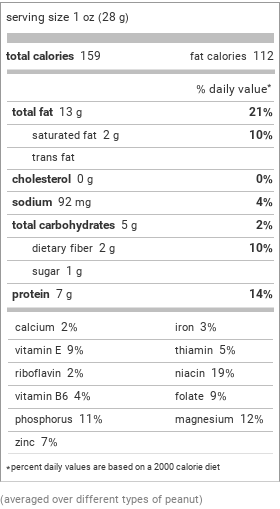
The carbohydrate content of peanuts is a crucial factor to consider for those following a low-carb diet, as even a small serving can contribute significantly to daily carb intake. Here are some important points to keep in mind when considering the carb content of peanuts:
A single ounce (28 grams) of dry roasted peanuts contains approximately 5 grams of total carbs, which is equivalent to roughly 20% of the daily carb limit on a standard ketogenic diet.
Peanut butter, which is derived from ground-up peanuts, can vary widely in terms of its carb content depending on whether or not it contains added sugars or other ingredients.
For individuals with peanut allergies, consuming peanuts or products containing them can trigger potentially life-threatening allergic reactions.
While peanuts do contain carbs, they are also rich in healthy fats and protein, making them a nutritious addition to any diet in moderation.
Overall, while peanuts can be a tasty and nutrient-dense food choice for many people, their high carbohydrate content may make them less than ideal for those following strict low-carb diets like keto. Additionally, anyone with peanut allergies should exercise caution when consuming this popular legume or products made from it like peanut butter.
The Role of Protein in a Keto Diet
Protein intake is a crucial aspect to consider when following a ketogenic diet, as it plays a vital role in maintaining muscle mass and supporting overall health. While the main focus of the ketogenic diet is on reducing carbohydrate intake, adequate protein consumption is necessary for several reasons. Proteins are made up of amino acids that are essential for building and repairing tissues in the body. Additionally, they play a key role in hormone production, immune function, and nutrient transport throughout the body.
In terms of protein absorption and synthesis, it’s important to note that not all proteins are created equal. The bioavailability of protein differs depending on its source and quality. For example, animal-based proteins such as meat, fish, eggs, and dairy have high bioavailability due to their complete amino acid profile. On the other hand, plant-based sources like nuts or legumes may be incomplete or low in certain essential amino acids which makes them less efficient at building muscle mass. In summary, while peanuts can be a great snack option on a keto diet due to their low carb content; they should not be relied upon as the sole source of protein due to their lower bioavailability compared to other sources like animal-based proteins.
| Protein Source | Bioavailability (%) | Protein per 100 grams |
|---|---|---|
| Beef | 80-90% | 26g |
| Chicken | 79% | 31g |
| Fish (salmon) | 85% | 25g |
| Peanuts (raw) | 52% | 25g |
Alternatives to Peanuts for Keto Snacks
In light of dietary restrictions associated with a ketogenic lifestyle, there are various alternative snack options available that fulfill the desired nutritional requirements. For individuals looking to avoid peanuts due to allergies or simply wanting to switch things up, there are several nut-free options that provide similar benefits.
Some examples include:
- Sunflower seed butter: This spread is made from roasted sunflower seeds and is a great source of healthy fats and protein. It has a slightly sweet and nutty flavor that can be enjoyed on its own or used as a substitute for peanut butter in recipes.
- Cheese crisps: These crunchy snacks are made from baked cheese and come in various flavors such as cheddar, parmesan, and jalapeño. They’re low in carbs and high in protein, making them an excellent option for keto dieters.
- Beef jerky: This dried meat snack is a good source of protein and contains minimal carbs. There are many brands and flavor variations available, including teriyaki, spicy, and black pepper.
Overall, there are plenty of delicious alternatives to peanuts for those following a keto diet. By incorporating these nut-free options into your snacking routine, you can enjoy a variety of flavors while still maintaining your dietary goals.
Staying on Track with Your Daily Macros
Maintaining a proper balance of macronutrients is crucial for individuals following a ketogenic diet, and this requires mindful snacking and portion control. The key to staying on track with daily macros is to plan ahead, which involves tracking your intake. Using a food scale and measuring cups can help you accurately measure your portions so that you do not exceed your daily carbohydrate allowance.
Another important factor in staying on track with your daily macros is mindful snacking. Keto-friendly snacks such as nuts, seeds, cheese, and vegetables can be incorporated into the diet without exceeding carbohydrate allowances. Additionally, it’s essential to pay attention to how much you consume at one time since overeating even keto-friendly foods can lead to weight gain. Therefore, it’s best to portion out snacks in advance or only keep small amounts readily available throughout the day. By practicing portion control and mindful snacking techniques, individuals following a ketogenic diet can maintain their macronutrient balance while still enjoying tasty snacks throughout the day.
| Food Item | Serving Size (grams) | Carbohydrates (grams) |
|---|---|---|
| Almonds | 28 | 3 |
| Macadamia Nuts | 28 | 2 |
| Celery Sticks | 30 | 1 |
| String Cheese | 28 | <1 |
Conclusion
In conclusion, peanuts may not be the best choice for those following a keto diet due to their high carbohydrate content. It is crucial to understand the basics of a keto diet and strive to maintain daily macros in order to stay on track with your health goals.
While peanuts do provide protein, there are plenty of other keto-friendly snack options available that can meet your nutritional needs without compromising your carb intake. For those looking for alternatives to peanuts, consider incorporating foods such as almonds, macadamia nuts, or cheese into your diet. These options offer similar benefits in terms of protein and fat content but contain significantly fewer carbs than peanuts.
Remember that adhering to a keto diet requires discipline and diligence in making informed food choices that align with your specific dietary needs and goals. Overall, while peanuts can be a tasty snack option, it is essential to exercise caution when including them in a keto diet plan.
By staying informed about macro-nutrient content and exploring alternative snack options, you can maintain a balanced and healthy lifestyle while still enjoying delicious treats along the way.
 The Skinny on Keto