
The keto diet has gained popularity for its emphasis on healthy fats and low carbohydrate intake. Among the many superfoods available, sesame seeds stand out as a powerful addition to a keto diet. Their rich history and cultural significance, coupled with their exceptional nutritional profile, make sesame seeds a valuable ingredient for those following a ketogenic lifestyle.
- Nutritional Profile of Sesame Seeds
- Health Benefits of Sesame Seeds
- Culinary Uses of Sesame Seeds
- Tips for Incorporating Sesame Seeds into a Keto Diet
- Precautions and Allergies
- Conclusion
Nutritional Profile of Sesame Seeds
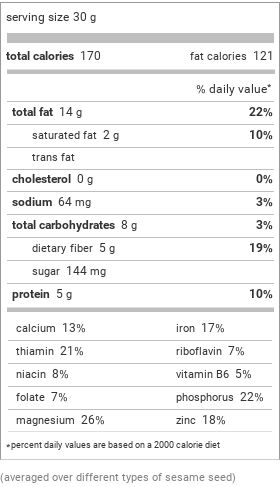
Sesame seeds pack a nutritional punch, making them a desirable choice for keto enthusiasts. These tiny seeds are abundant in macronutrients and micronutrients, providing a range of health benefits.
With their high fat content, sesame seeds are a perfect fit for a keto diet. They contain healthy fats such as monounsaturated and polyunsaturated fats, including omega-6 fatty acids. These fats provide a sustainable source of energy while supporting various bodily functions.
In addition to fats, sesame seeds are a good source of plant-based proteins. They contain an array of essential amino acids necessary for muscle growth, repair, and overall cellular health. Incorporating sesame seeds into a keto diet helps maintain a balanced macronutrient intake.
Beyond fats and proteins, sesame seeds are rich in vitamins and minerals. They are particularly notable for their calcium, iron, and magnesium content. Calcium contributes to bone health, iron aids in oxygen transportation, and magnesium supports nerve function and energy production. By including sesame seeds in your diet, you can enhance your overall nutrient intake.
Health Benefits of Sesame Seeds
Heart Health
Sesame seeds offer remarkable benefits for heart health due to their antioxidant properties and nutrient composition. Antioxidants, such as sesamin and sesamol found in sesame seeds, help reduce oxidative stress and inflammation, lowering the risk of heart disease.
Furthermore, sesame seeds have shown potential in lowering blood pressure and reducing cholesterol levels. Studies suggest that the lignans and phytosterols present in sesame seeds contribute to these effects, making them a heart-healthy addition to a keto diet.
Weight Management
Incorporating sesame seeds into your keto diet can support your weight management goals. The combination of healthy fats and plant-based proteins in sesame seeds promotes satiety and helps curb cravings. By feeling fuller for longer, you may find it easier to adhere to your keto plan and avoid overeating.
Moreover, sesame seeds provide essential nutrients without adding excessive carbohydrates. This makes them an ideal choice for those seeking to maintain a healthy weight while following a ketogenic lifestyle. By including sesame seeds in your meals and snacks, you can nourish your body while supporting your weight management efforts.
Bone Health
Sesame seeds are a natural source of calcium, an essential mineral for bone health. Adequate calcium intake helps prevent conditions like osteoporosis and supports the overall strength and integrity of your skeletal system.
However, calcium is not the only player when it comes to bone health. Sesame seeds also contain other minerals like magnesium and phosphorus, which work synergistically with calcium to enhance bone density and strength. Including sesame seeds in your keto diet can contribute to maintaining optimal bone health and reducing the risk of bone-related issues.
Blood Sugar Control
Maintaining stable blood sugar levels is crucial, especially for individuals with diabetes or insulin resistance. Sesame seeds offer potential benefits in regulating blood sugar due to their unique nutrient profile.
Research suggests that the lignans and fiber in sesame seeds help improve insulin sensitivity and glucose metabolism. By including sesame seeds in your keto meals, you may experience better blood sugar control, making it easier to manage diabetes or prevent blood sugar fluctuations.
Culinary Uses of Sesame Seeds
Sesame seeds come in various forms, each lending its distinct flavor and texture to dishes. Whole sesame seeds are commonly used as a topping for bread, rolls, and salads, adding a nutty crunch.
Hulled sesame seeds have a smoother texture and are often used in baking, tahini (sesame seed paste), and confectioneries.
Sesame oil, derived from sesame seeds, is a flavorful and versatile cooking oil. Its distinct nutty taste adds depth to stir-fries, dressings, and marinades. Additionally, sesame oil is commonly used as a finishing touch for Asian-inspired dishes.
To enhance the flavor of sesame seeds, toasting them is a popular technique. By gently toasting sesame seeds in a dry pan until they turn golden brown, their nuttiness intensifies, elevating the taste of any dish. For even more robust flavor, grinding toasted sesame seeds can create a fragrant and aromatic powder.
Tips for Incorporating Sesame Seeds into a Keto Diet
Adding sesame seeds to your keto diet is both effortless and rewarding. Here are some tips to help you incorporate these nutrient-packed seeds into your meals and snacks:
- Sprinkle whole sesame seeds on top of salads, roasted vegetables, or even avocado slices to add a delightful crunch and nutty flavor.
- Use sesame oil as a cooking oil or drizzle it over cooked dishes to infuse them with its distinct taste.
- Blend toasted sesame seeds with low-carb spices and herbs to create a delicious keto-friendly seasoning blend for meats, vegetables, or dips.
- Experiment with keto baking recipes that incorporate ground sesame seeds, such as using them as a substitute for almond flour or coconut flour.
- Consider making your own tahini by blending sesame seeds with a dash of olive oil, lemon juice, and a pinch of salt. Use it as a dip, sauce, or dressing.
By incorporating sesame seeds into your keto diet, you not only diversify your meals but also unlock their nutritional benefits, adding depth of flavor and texture to your culinary creations.
Precautions and Allergies
While sesame seeds offer numerous health benefits, it’s important to be mindful of potential allergies and exercise moderation in consumption. Sesame allergies can range from mild to severe, and in some cases, can cause anaphylaxis. If you have a known sesame allergy, it’s crucial to avoid sesame seeds and products containing sesame.
For those without allergies, moderation is key, especially when following a keto diet. Although sesame seeds are a keto-friendly superfood, they are still calorie-dense. Incorporate them mindfully into your meals to maintain a balanced calorie intake.
As with any dietary change, it is advisable to consult with a healthcare professional, particularly if you have specific health concerns or conditions that require personalized guidance.
Conclusion
Sesame seeds are a keto superfood that offers a myriad of health benefits and culinary possibilities. Their nutritional profile, including healthy fats, plant-based proteins, and essential minerals, make them an excellent addition to a keto diet.
From supporting heart health and weight management to promoting bone health and blood sugar control, sesame seeds prove their worth as a versatile and nutritious ingredient. By exploring the various culinary uses of sesame seeds and incorporating them into your keto meals, you can unlock their power and elevate your ketogenic journey.
So, embrace the nutty goodness of sesame seeds and reap the rewards they offer on your path to a healthier and more vibrant life.

